Discover
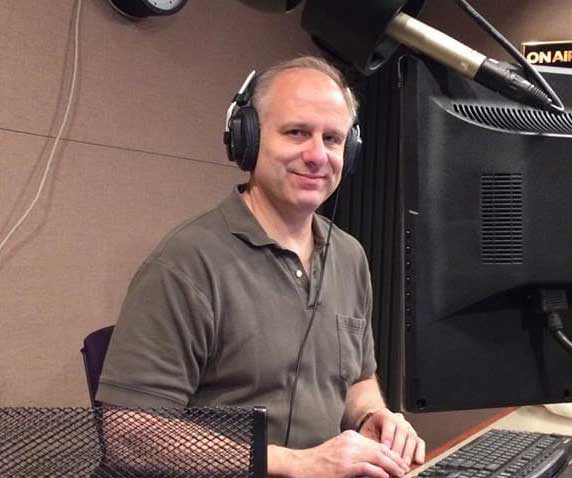
A Conversation with Sound Engineer Bill Maylone
Multi-Grammy-nominated sound engineer Bill Maylone has worked with Cedille Records since our first album in 1989. In a Cedille-exclusive interview, Bill explains what a sound engineer does and how the industry has changed over the years.
When did you start recording classical music?
I worked at the campus radio station (WHPK-FM) when I attended the University of Chicago in the early 1980s. We decided it would be fun to broadcast the quarterly concerts of the University of Chicago Symphony Orchestra live. A few years after school I was working at WFMT, learning the finer points of how to record all kinds of classical music.
How did you first get involved with Cedille?
I met Jim when we were both at U of C. One day in January 1989, he called me out of the blue and asked if I would be interested in engineering a solo piano recording he was planning to do to launch a record label. It sounded like fun, so I said sure. Tell us about your equipment. What are some of your more rare items? I’ve amassed a pretty large collection of “stuff” over the past 20 years or so. My bad habit is collecting microphones. The rarest find is something we’re currently using on a recording with Thomas Hampson – it’s an RCA 44A ribbon microphone from 1932. It’s in completely original condition, and it sounds fantastic.
Is there a recording you remember as particularly challenging?
In 1999 we did a recording of a Frank Ferko choral piece with His Majestie’s Clerkes in an acoustically fabulous chapel. The chapel was on beautiful grounds with lots of trees near the lake and was well isolated from any traffic noise. Unfortunately, the sessions were in the summer, and there were thousands (millions?) of bugs. SO, while it was still daylight, we could hear the sound of cicadas, and at night we could hear crickets chirping. During the (long) editing process that followed, I spent countless hours designing specific filters to remove the bug sounds. I ended up with almost 200 different little filtered pieces of audio that were worked into the overall edit.
What happens after a session? What does the editing process entail?
Digital editing of classical music is a mystical process known only to a few highly trained sorcerers. Just kidding! The process usually begins with the producer reviewing all the takes, and deciding which bits of which takes to use. Then I’ll assemble the takes according to the producer’s edit plan, and we’ll go back and forth to further refine it. The music then goes to the artists for review. After the editing is complete to everyone’s satisfaction, I’ll create the final mixed versions of everything and assemble the pieces in a CD master project. It usually takes a few months from the time we record until the audio is ready.
How has the classical recording industry changed since you first began working?
Our first CD was recorded on a single Sony PCM-F1-SL2000 Beta videorecorder combination. For about the first 10 years we recorded directly to two track equipment through a console, meaning everything was mixed right at the session. That’s right – the mix we created at the session was the mix that went into the final CD. Around 2000, we invested in digital multitrack tape equipment, which allowed us to record different instruments or orchestral sections on their own tracks and make adjustments to the mix later. Fast forward to today, where I can record 32 discreet channels and apply all sorts of signal processing, which allows for very fine adjustments of balances and other sonic qualities of individual sounds! However, some things don’t change: there are still more microphones to collect . . .
Cedille’s Grammy-nominated sound engineer Bill Maylone gives us an in-depth look at an original 1932 RCA microphone during the recording session for Thomas Hampson’s album Songs from Chicago.
Recommended
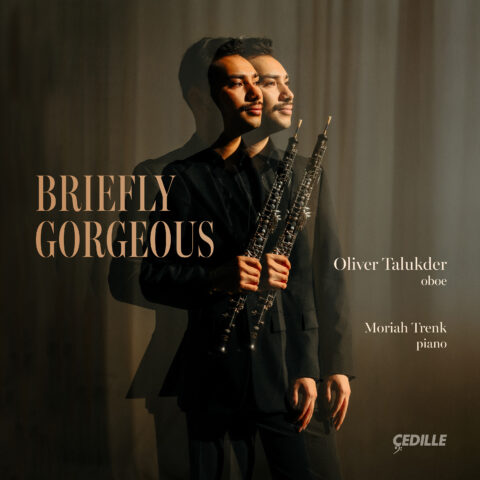
Winner of Cedille Records’ 2025 Emerging Artist Competition, Chicago-born oboist Oliver Talukder makes his solo recording debut with Briefly Gorgeous. Joined by pianist Moriah Trenk, Talukder presents an album inspired by themes of identity, love, family, and belonging. Drawing on his Mexican and Bengali heritage and his Chicago upbringing, the program explores where classical music intersects with Latino and South Asian traditions, creating a musical portrait shaped by Talukder’s unique story.
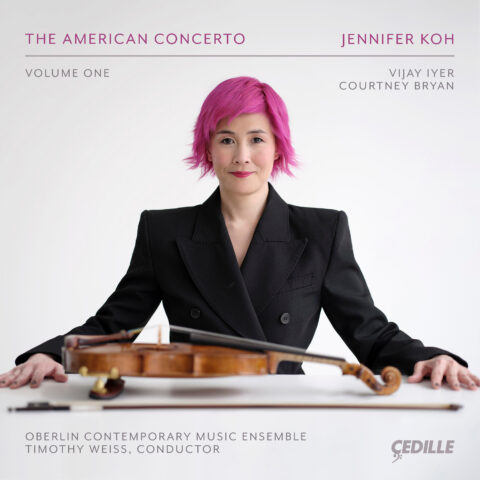
Grammy Award-winning violinist Jennifer Koh’s 16th album on Cedille Records, The American Concerto, Volume One, features Vijay Iyer’s Trouble and the world premiere recording of Courtney Bryan‘s Syzygy, performed with the Oberlin Contemporary Music Ensemble conducted by Tim Weiss.

With the new month comes a new featured playlist on Spotify — or, in this case, a refresh of our Artist Debuts on Cedille playlist, originally created in 2022 to celebrate the inaugural album by the first Emerging Artist Competition winner, saxophonist Julian Velasco.
The update is to celebrate oboist Oliver Talukder, winner of Cedille’s second competition, as well as other artists who have made their Cedille debus since 2022. (Oliver’s track will be added on Friday when his album, Briefly Gorgeous, is released.)
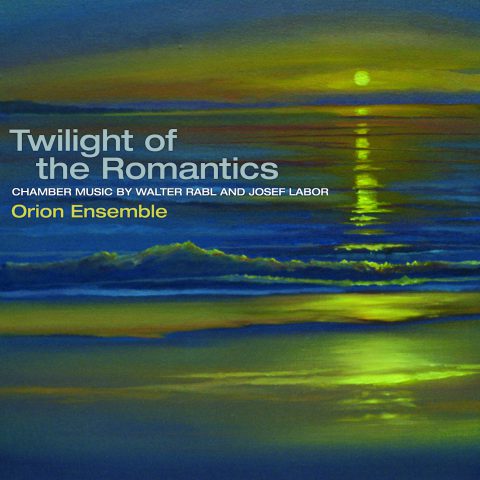
Enjoy Cedille’s Weekly Featured Release.